
The zen of cartridge setup (or: your records sound better than your table thinks)
Forty-five minutes with a protractor and a tracking-force gauge is the cheapest upgrade in all of audio. A calm, step-by-step walkthrough — no $400 tools required.
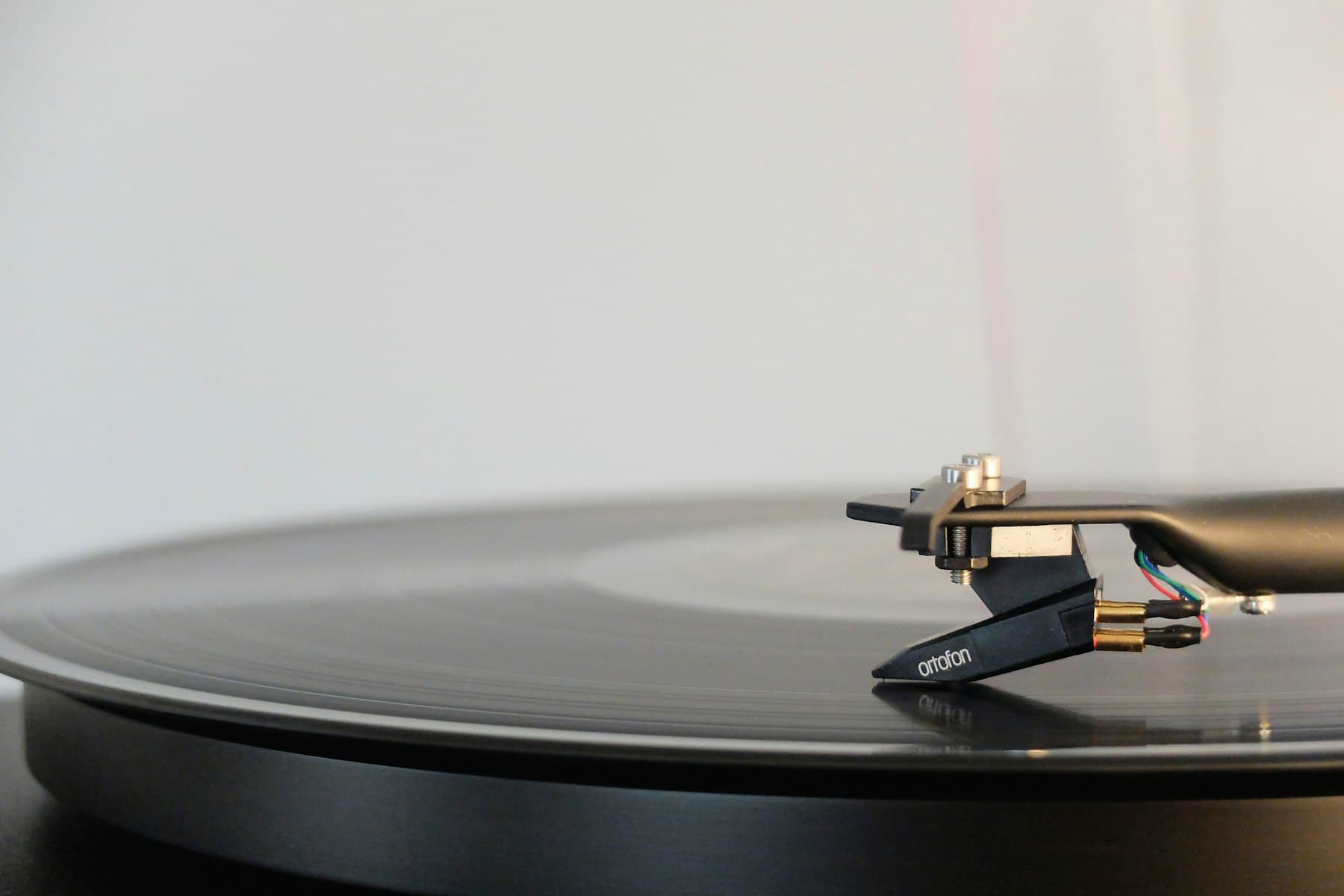
Most 'my records sound thin' complaints I hear are not the records and not the turntable. They're a cartridge that was installed at the factory by someone with ninety seconds per unit, and has never been touched since.
You need three cheap things: a printable two-point protractor (free), a $12 digital stylus-force gauge, and a bubble level. Put on some music you don't care about, because the process is fiddly and you'll want to test as you go.
Level the table first — everything else is built on it. Then set tracking force to the cartridge maker's spec, not the forum's: modern styli are designed to track at their rated weight, and tracking too light causes more record wear than tracking slightly heavy, which is the opposite of what intuition says.
Alignment is where the magic hides. Line the stylus up on both protractor points until the cantilever sits parallel to the grid. The moment you get it right is unmistakable: sibilants stop spitting, the center image locks, and the inner grooves — the last song on each side, where distortion lives — suddenly play as cleanly as the first.
I do this on a quiet Sunday with coffee, once or twice a year. Forty-five minutes of small adjustments and full attention. There are more expensive upgrades in this hobby; there is no better one.
Related finds
 VIMZ-010Find
Grail watch: the Australian 'Hounds of Love' nobody talks about
Everyone chases the UK first press of Kate Bush's 1985 masterpiece. Meanwhile, the Australian EMI pressing sounds gorgeous and sells for a third of the price — if you know where to look.
Drop the needle → VIMZ-009Guide
Why Japanese pressings sound better (and how to buy them from Texas)
Quieter vinyl, cleaner cuts, obi strips that survived four decades. A field guide to buying Japanese pressings without getting burned on shipping or grading.
Drop the needle → VIMZ-008Curated
Watch this: how 'Thriller' was actually engineered
The best breakdown I've found of what Bruce Swedien did in the room in 1982 — and why your vinyl copy still sounds enormous on any system you play it on.
Drop the needle →